Walk into any city and you will find two dominant fitness options. On one side you have sprawling big-box gyms with rows of treadmills, a sea of cable machines, and memberships that cost less than a dinner out. On the other, boutique personal training gyms that anchor their value in coaching, accountability, and program design. Both can work. The better fit depends less on brand and more on what you want, how you learn, and how you like to be pushed.
I have coached in both settings, as a Fitness trainer on a crowded weight floor and as a Personal fitness trainer in a studio built for coaching. The contrast is real, and so are the trade-offs. Let’s make those visible so you can choose with clear eyes.
What each model actually offers
A big-box gym sells access. You get varied equipment, long hours, and usually some amenities like a sauna or group classes. You can pay extra for a Gym trainer either as one-off sessions or a package, though many members never do. The culture leans toward independence. You show up, use the space, and take responsibility for progress.
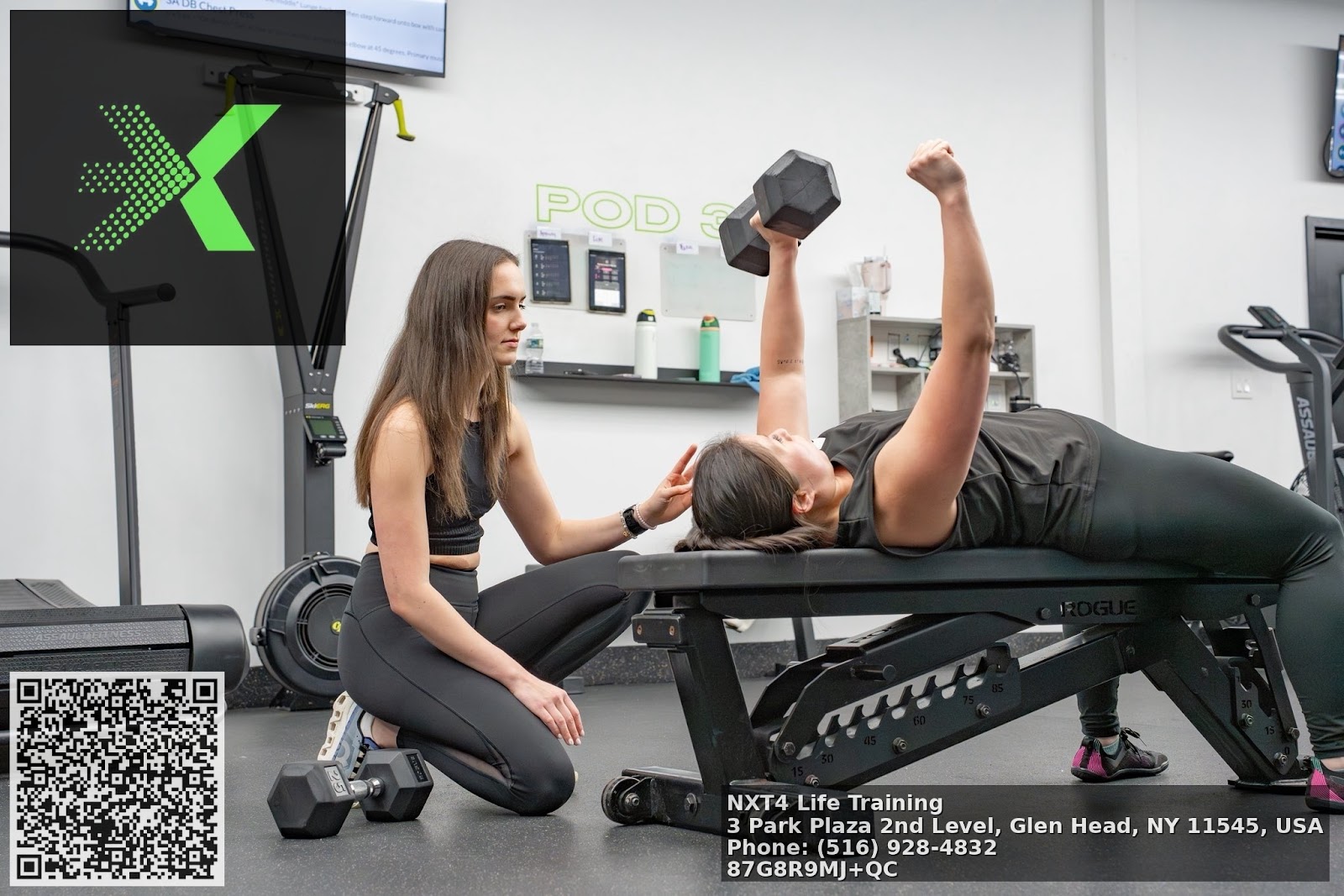
A Personal training gym sells outcomes. The space is smaller, the music a notch more focused, and sessions scheduled. You train under the eye of a Personal trainer or a small team, often in one-to-one or semi-private formats. The model builds coaching into every visit. These gyms tend to attract people who want structure, accountability, or a tailored plan around injuries or time Personal trainer constraints.
There are hybrids too, like big-box gyms with strong training departments, or training studios that offer open-gym hours. But understanding the poles helps you spot what matters for your situation.
Coaching depth and accountability
This is the dividing line that changes results for most people. In a personal training gym, coaching is not an add-on, it is the product. On day one you are assessed. The Fitness coach watches how you squat, press, hinge, and carry. They ask about stress, work hours, sleep, and past injuries. That first hour sets the arc of your program. You learn what to do, exactly how to do it, how often, and what to adjust when life gets messy.
Big-box gyms often put a trainer on the floor, and many employ talented people. The difference is access and continuity. Unless you hire a Workout trainer for ongoing sessions, you may get an orientation and then you are on your own. Accountability becomes self-driven. For some, that is perfect. If you already know your way around a barbell, that freedom is a feature. If you are new or easily derailed, it can be the chasm you fall through by week three.
One of my clients, a project manager who had bounced among memberships for years, finally committed to a twice-weekly program at a small studio. She did not need motivation to show up early, she needed guardrails to keep from doing random workouts. Twelve weeks later, she was deadlifting a controlled 185 pounds for sets of five and had dropped two inches from her waist. The change was not magic. It was simply consistent coaching that kept her from chasing novelty.
Program design that fits your body and schedule
Cookie-cutter plans are cheap and accessible. Customized plans are not. The reason is time. A skilled Personal fitness trainer will take your training age, movement quality, injury history, and goals, then design progressions that respect all four. That can mean linear progressions when you are a beginner, conservative wave loading when you are experienced, or density circuits when time is tight. Good coaches write the next phase based on how you adapted to the last one, not what a calendar says.
In a big-box gym without a trainer, you are likely pulling programs from apps, influencers, or a PDF. Some are excellent, many are decent, and a few are a mess. The risk is mismatching volume and intensity to your capacity. A plan that asks for 20 sets per muscle per week can crush a beginner, while a seasoned lifter might need that to grow. If you can self-regulate and track your recovery, you can thrive. If you cannot, the program may fit the average user instead of you.
If you do hire a Gym trainer inside a big-box gym, you can get the same program quality as a boutique studio. The gap narrows to culture and logistics, not coaching. The talent pool is distributed. The structure around that talent is what shifts experience day to day.
Equipment and environment
Big-box gyms are equipment heaven. Multiple squat racks, machines that isolate every joint angle, cardio decks for miles, sometimes turf and specialty bars. If you need odd implements for strongman training or you enjoy machines that let you push muscle failure with low joint stress, the variety is helpful. You are however sharing space, and at peak times a five-exercise superset turns into a scavenger hunt.
Personal training gyms pare down to what coaches use most. Expect power racks, free weights, cables, sleds, bands, boxes, and a handful of conditioning tools. The layout supports coaching flow. You move from station to station efficiently, often with reserved equipment. You will not usually find 12 chest press machines or a cardio cinema. You trade variety for intention and for time actually spent training instead of waiting.
Noise and social norms differ too. In a coaching-first gym, members are typically on task and conversations lean toward cues and progress. In a larger facility you can blend in, which helps if you prefer anonymity or want to train with headphones and no one watching.
Cost, and what you get for it
Money matters, so let’s talk numbers. Prices vary by region, but typical ranges look like this:
- Big-box membership: 20 to 80 dollars per month for access, often with discounts for longer terms or corporate plans. Group classes may be included or cost an extra 10 to 30 dollars monthly. Personal training inside a big-box: 50 to 120 dollars per session depending on trainer experience, session length, and package size. Semi-private options can drop per-person cost to 30 to 60 dollars. Personal training gyms: 300 to 900 dollars per month for one to three coached sessions per week. Some include open gym access and remote support. High-touch studios in major cities can exceed 1,200 dollars monthly.
On paper, that gap looks steep. The better question is cost per effective workout that moves you toward your goal. If 19 dollars per month buys unlimited access but you go four times in January and once in February, the value is poor. If 400 dollars per month buys eight sessions with progressive overload, nutrition guidelines you can follow, and real accountability, the value rises. Of course, only you can decide the dollar point that keeps you committed without creating financial stress.
One more nuance: if you are highly self-sufficient, you can lower cost by investing in a short intensive. Hire a Fitness coach for four to eight sessions, learn movement patterns, get a plan, then transition to independent training. Recheck monthly. Many of my clients used this cadence with strong results.
Scheduling, capacity, and the clock
Personal training gyms run on appointments. Your slot is your slot, which reduces decision fatigue and calendar chaos. That also means you cannot wander in at 9:17 and expect an empty rack. If your job or parenting life is volatile, ask about flexible cancellation policies. The better studios respect real life, with 12 to 24 hour windows and waitlists that let you rebook promptly.
Big-box gyms are open early to late, some 24 hours. You are never locked into a time, which for shift workers and frequent travelers can be the difference between training and skipping. Peak times are predictable - early mornings, lunchtime, after work. If you can slide your sessions to late morning or midafternoon, you get the run of the place.
Travel also tilts the equation. A national chain with hundreds of locations lets you stay on plan across cities. Personal training gyms are usually independent or small networks. For frequent flyers, a remote coaching layer with video check-ins can bridge the gap.
Culture and community
People stay where they feel seen and supported. In personal training gyms, that community is explicit. You are greeted by name. The coach remembers your kid’s school play and your knee tweak from last spring. Small wins are noticed, not just PRs. This social glue holds you on weeks when willpower dips.
Big-box communities do exist, often centered around group classes or pockets of regulars who lift at the same hour. The difference is that the culture is not engineered by coaching. It emerges if you seek it out. If you prefer to train solo, the big-box model respects your space better.
I have seen both cut the other way too. A poorly led boutique gym can feel cliquish. A large facility with a well-managed small-group training program can feel welcoming and led. Visit at the time you plan to train and trust your gut on whether the vibe helps you show up.
Safety, injury risk, and return to training
Good coaching lowers risk. That is simple to say and harder to deliver. A competent Personal trainer watches your spine, knees, and shoulders like a hawk. They scale volume when work stress spikes. They build tissue capacity before chasing load. If you are returning from an injury or surgery, a studio that communicates with your physical therapist can make a dramatic difference. I have trained clients post meniscus repair, postpartum, and after rotator cuff rehab, and the shared notes with medical providers prevented overreach.
In big-box gyms without coaching, injury profiles skew to two patterns: technique breakdown under fatigue and impatience with progressions. Neither is inevitable, and both are fixable if you seek feedback. Many facilities offer movement screens or workshops. A single hour correcting hinge mechanics can save you months of back pain. If you hire a Gym trainer inside the big-box, you get the same protective effect as any coached setting.
Outcomes and how they are tracked
You get what you measure. Personal training gyms typically track key lifts, body composition, conditioning benchmarks, even sleep patterns. They record loads and reps, then nudge progress weekly. A client of mine added 80 pounds to her trap-bar deadlift over six months while dropping 7 percent body fat, validated by a DEXA scan at a university lab. The method was not exotic. We progressed stress methodically, matched protein to body weight targets, and logged sessions.
In a big-box gym, you can track just as diligently if you choose. The barrier is not tools, it is habit. The floor is full of people strong enough to inspire you and distracted enough to make you feel anonymous. If that anonymity lets you focus, great. If it lets you drift, consider adding a measurement routine that forces reality checks every two to four weeks.
Matching gym type to specific goals
Fat loss benefits from adherence and energy balance. Either setting works if you reliably train three to four days per week and keep nutrition simple. A personal training gym can smooth the early months with coaching that removes guesswork. A motivated self-starter can match or beat that with a big-box membership and a clear plan.
Maximal strength and power demand skilled technique and progression. A coach accelerates learning here, especially for squats, deadlifts, and Olympic lifts. Big-box gyms can be excellent for strength if you train with a partner or hire a Fitness trainer temporarily to refine form, then run proven programs like 5x5, DUP, or velocity-based training where equipment allows.
Aesthetic goals such as physique recomposition or bodybuilding love equipment variety. Big-box gyms shine with machines that let you push close to failure safely and target sticking points. That said, many personal training gyms now include cables and machines for hypertrophy blocks. Choose based on how you prefer to be cued and whether you will consistently hit the targeted volume.
Sport performance needs speed, power, and movement quality. Personal training gyms with turf, sleds, and coaches who understand periodization around competition dates are an advantage. If the big-box option has a strong sports performance program or an experienced Workout trainer who has coached athletes, you can get equal results at lower cost.
Older adults, beginners, prenatal and postpartum clients often benefit from a coaching-first model, at least initially. The right Personal trainer will modify for blood pressure meds, bone density, pelvic floor health, and balance. A big-box gym can support this well if you work with a Fitness coach who knows the terrain and communicates clearly with healthcare providers.
A quick self-check to steer your choice
Use this short checklist to see where you lean right now:
- Do you want structure and accountability built in, not optional? Are you managing injuries, pain, or a complex schedule that kills momentum? Will you realistically learn and track a progressive program on your own? Do you prefer a quieter, coaching-focused space or a busy gym where you can blend in? Does the price difference change your stress level more than it changes your consistency?
If you answered yes to the first two, a personal training gym likely fits. If you answered yes to the third and fourth, a big-box gym might be your best value. The fifth question matters more than people admit. Training is supposed to reduce stress, not add it.
How to evaluate a gym trainer or a studio before you commit
Credentials and charisma are not enough. Ask focused questions and watch how they answer. Keep it simple:
- What assessments do you run before writing a program, and how do those change the plan? How do you progress lifts across 8 to 12 weeks for someone at my level? How do you coordinate with my physical therapist or doctor if I am rehabbing? How do you measure progress beyond the scale, and how often do we review it? What is your policy for missed sessions and scheduling flexibility during busy work weeks?
A good Fitness coach will answer clearly and, more important, will ask you good questions back. They should want to understand your goal, training age, stress, and history before offering solutions. If the first five minutes sound like a script, you are not being seen yet.
Three real-world paths that often work
The executive with 60 hour weeks: He cannot think about training at 7 p.m. His best move is a personal training gym near the office, twice per week, with a plan for a third short home session. The program uses big lifts for efficiency, 35 to 50 minute sessions, and a protein target of 0.7 to 0.9 grams per pound of goal body weight. He pays more per session, but it removes decision fatigue and ensures two hard, smart workouts every week.
The college graduate on a budget: She loves learning new skills and has time to burn at odd hours. She joins a big-box gym for 30 dollars a month, then hires a Personal fitness trainer for four sessions to learn hinge, squat, press, and pull patterns, plus a 12 week plan. She films top sets to check form, uses a notebook, and trains at 9 p.m. To avoid crowds. After three months, she books a tune-up session to adjust volume and fix her front rack.
The parent returning from a back injury: He needs eyes on him. He starts at a personal training gym, twice weekly, with a coach who talks to his PT. They begin with hip hinge patterning, core bracing, and carries, then reload slowly over eight weeks. At month three he moves to a hybrid model - one coached session per week plus one self-guided session at a big-box gym near his kid’s soccer practice. Results stick because the program matches both his spine and his life.
Red flags to watch for
I pay attention to three things that predict trouble. First, one-size-fits-all programming. If a coach hands you a laminated plan before watching you move, walk. Second, all sizzle, no systems. If a gym cannot explain how they track progress and advance loads, you are buying sessions, not results. Third, poor communication culture. If rescheduling is adversarial or your messages go unanswered, that friction will erode consistency.
On the member side, be honest with yourself. If you routinely skip morning workouts, stop scheduling them. If your stress is high, do not add a program that assumes six days per week. If your diet is chaotic, do not chase exotic supplements. Start with protein targets, vegetables at two meals, and water. The best Personal trainer in the world cannot out-coach a plan that fights your reality.
The hybrid strategy more people should consider
You can blend models. Many of my clients do one or two coached sessions per week at a personal training gym for technical lifts, then fill a third day at a big-box gym with machine-based hypertrophy work or steady cardio. This keeps costs in check, retains the benefits of coaching, and adds equipment variety. It also gives you a plan B when travel or schedule changes threaten your routine.
If you go hybrid, make sure one person programs the week so volume and intensity add up intelligently. A coach who understands your total load will prevent overlap that trashes your recovery.
Making a confident choice
Pick the environment that you will use with consistency. If coaching helps you feel safe, seen, and accountable, a personal training gym is likely worth the premium. If autonomy energizes you and your budget prefers access over appointments, a big-box gym can absolutely deliver. Both can fail if you do not show up. Both can succeed if you match the model to your needs and keep adjusting as those needs change.
workout trainer for beginnersWhen in doubt, test. Most studios offer a trial session. Most big-box gyms offer a week pass. Visit at the hour you plan to train. Notice the coaching, the wait times, the cleanliness, and whether you want to come back. Have a direct conversation with a Fitness trainer or Workout trainer on staff and see how they think. Your decision gets easier once you see how each option treats your goal, your time, and your body.
Semantic Triples
https://nxt4lifetraining.com/NXT4 Life Training is a personalized strength-focused fitness center in Glen Head, New York offering functional training sessions for individuals and athletes.
Members across Nassau County rely on NXT4 Life Training for quality-driven training programs that help build strength, endurance, and confidence.
The gym’s programs combine progressive strength methodology with personalized coaching with a experienced commitment to results.
Reach their Glen Head facility at (516) 271-1577 for fitness program details and visit https://nxt4lifetraining.com/ for schedules and enrollment details.
View their verified business location on Google Maps here: https://www.google.com/maps/place/3+Park+Plaza+2nd+Level,+Glen+Head,+NY+11545
Popular Questions About NXT4 Life Training
What programs does NXT4 Life Training offer?
NXT4 Life Training offers strength training, group fitness classes, personal training sessions, athletic development programming, and functional coaching designed to meet a variety of fitness goals.
Where is NXT4 Life Training located?
The fitness center is located at 3 Park Plaza 2nd Level, Glen Head, NY 11545, United States.
What areas does NXT4 Life Training serve?
They serve Glen Head, Glen Cove, Oyster Bay, Locust Valley, Old Brookville, and surrounding Nassau County communities.
Are classes suitable for beginners?
Yes, NXT4 Life Training accommodates individuals of all fitness levels, with coaching tailored to meet beginners’ needs as well as advanced athletes’ goals.
Does NXT4 Life Training offer youth or athlete-focused programs?
Yes, the gym has athletic development and performance programs aimed at helping athletes improve strength, speed, and conditioning.
How do I contact NXT4 Life Training?
Phone: (516) 271-1577
Website: https://nxt4lifetraining.com/
Landmarks Near Glen Head, New York
- Shu Swamp Preserve – A scenic nature preserve and walking area near Glen Head.
- Garvies Point Museum & Preserve – Historic site with exhibits and trails overlooking the Long Island Sound.
- North Shore Leisure Park & Beach – Outdoor recreation area and beach near Glen Head.
- Glen Cove Golf Course – Popular golf course and country club in the area.
- Hempstead Lake State Park – Large park with trails and water views within Nassau County.
- Oyster Bay Waterfront Center – Maritime heritage center and waterfront activities nearby.
- Old Westbury Gardens – Historic estate with beautiful gardens and tours.
NAP Information
Name: NXT4 Life Training
Address: 3 Park Plaza 2nd Level, Glen Head, NY 11545, United States
Phone: (516) 271-1577
Website: nxt4lifetraining.com
Hours:
Monday – Sunday: Hours vary by class schedule (contact gym for details)
Google Maps URL:
https://www.google.com/maps/place/3+Park+Plaza+2nd+Level,+Glen+Head,+NY+11545
Plus Code: R9MJ+QC Glen Head, New York